Ecommerce Conversion Optimization in 2026: 10 Proven Strategies That Actually Work
Written by Marie Lamonde
March 2nd, 2026
Table Of Contents
- The State of Ecommerce CRO in 2026
- 4 Core Principles of High-Converting Ecommerce Experiences
- 3 AI-Powered Personalization Strategies That Actually Move the Needle
- Experiential Commerce: The Big CRO Unlock for 2026
- Visual Product Configuration as a CRO Strategy
- 3 Essential CRO Fundamentals That Still Matter in 2026
- Data-Driven Optimization: Turning Insights Into Revenue
- How to Implement Experiential Personalization Step by Step
- Transform Your Store Into a Conversion Powerhouse with Kickflip
- Frequently Asked Questions
Here's the reality: the average ecommerce conversion rate sits around 1.65% globally. For every 100 visitors to your store, only 1 or 2 actually buy something.
2026 is a turning point for online retail. The incremental tweaks that worked before (changing button colors, moving elements around, sending basic email sequences) are now table stakes. Everyone's doing them, which means they barely move the needle anymore.
Ecommerce conversion optimization is the systematic process of increasing the percentage of website visitors who complete a desired action. That could be making a purchase, signing up for emails, or becoming repeat customers. It covers the entire customer journey from the moment someone lands on your site to when they complete their purchase and come back for more.
Here's what most people get wrong about CRO in 2026: the biggest conversion gains no longer come from surface-level optimizations.
They come from experiential commerce and mass personalization.
We're talking about transforming static product pages into interactive experiences where customers can customize, visualize, and truly connect with products before buying.
The proof is in the numbers. Companies using product personalization report average conversion uplifts of 150% compared to traditional static product flows. Businesses are more than doubling their conversion rates by letting customers co-create products instead of just scrolling through generic options.
The State of Ecommerce CRO in 2026
Benchmark Conversion Rates and Rising Customer Expectations
Let's talk numbers. That 1.65% global average conversion rate varies wildly by industry. Fashion and beauty might see 2-3%, while electronics often struggle to break 1.5%. These benchmarks are becoming increasingly irrelevant because customer expectations are evolving faster than most businesses can keep up.
Today's shoppers expect personalized, interactive, and frictionless experiences. They want to see exactly how a product will look, feel, or work before they buy it. Static product pages with a few photos and basic descriptions create purchase anxiety. Customers second-guess themselves, abandon their carts, and often return products when reality doesn't match their expectations.
This uncertainty isn't just hurting your conversion rate. It's driving up return rates and customer service costs. When someone can't truly visualize or customize a product to their needs, they're essentially buying blind.
Why Classic CRO Tactics Are Reaching Diminishing Returns
Most ecommerce teams are still stuck in the old CRO playbook: A/B testing call-to-action buttons, tweaking checkout forms, sending abandoned cart emails, and making small layout adjustments. These tactics work, but they deliver incremental gains at best.
You might squeeze an extra 10-20% improvement from optimizing your checkout flow or testing different product page layouts. But when was the last time you saw a business double their conversion rate from changing button colors?
Everyone's doing these basic optimizations now. Your competitors have mobile-friendly sites, streamlined checkouts, and email automation too. The next leap in conversion performance comes from fundamentally rethinking how customers interact with your products.
4 Core Principles of High-Converting Ecommerce Experiences
1. Relevance: Right Product, Right Message, Right Time
AI-powered personalization has moved beyond "customers who bought this also bought that" recommendations. Modern personalization engines analyze browsing behavior, purchase history, demographic data, and real-time intent signals to create truly tailored experiences.
When every product recommendation, piece of content, and promotional message feels specifically curated for each visitor, both conversion rates and average order values increase dramatically. It's about making every single interaction feel relevant and valuable.
2. Confidence: Reducing Uncertainty and Risk
Purchase anxiety is conversion rate poison. When customers can't clearly visualize a product, understand how it works, or trust that it'll meet their needs, they hesitate. Hesitation kills sales.
Better product visualization, detailed information, authentic social proof, and interactive experiences all work together to build confidence. When customers feel certain about their purchase decision, they convert faster and return products less frequently.
3. Effort: Frictionless Paths to Purchase
Friction comes in many forms: slow loading pages, confusing navigation, lengthy checkout processes, limited payment options, and unclear pricing. Every additional step, click, or moment of confusion increases the likelihood that customers will abandon their purchase.
Streamlined checkout processes alone can boost conversions by up to 35%. Friction reduction goes deeper than checkout optimization. It's about removing every unnecessary obstacle between initial interest and completed purchase.
4. Emotion and Ownership: Turning Shoppers Into Co-Creators
When customers actively participate in creating or customizing a product, they develop emotional ownership before they even buy it. This psychological shift from passive browsing to active creation is incredibly powerful.
Experiential commerce and interactive product customization tap into this co-creation psychology. Instead of choosing from pre-made options, customers become invested in the design process itself.
3 AI-Powered Personalization Strategies That Actually Move the Needle
1. Smarter Product Recommendations
Forget basic "related products" widgets. Modern recommendation engines use hybrid AI models that combine behavioral signals (what customers actually do) with content-based analysis (product attributes and relationships).
The most effective recommendations appear at strategic moments: personalized homepage feeds for returning visitors, "complete the look" suggestions on product pages, intelligent cart add-ons, and post-purchase cross-sells. The key is relevance timing. Showing the right products when customers are most receptive.
2. Intent-Based Onsite Experiences
Real-time personalization adjusts your site experience based on how someone behaves right now. A visitor arriving from a Google search for "blue running shoes" gets a different experience than someone browsing your homepage for the third time this week.
New visitors might see social proof and educational content to build trust. Returning visitors get personalized product feeds and exclusive offers. High-intent behaviors like viewing multiple products or checking size guides trigger targeted interventions to prevent cart abandonment.
3. Personalized Offers and Pricing
Targeted discounts and bundles work, but only when they're strategically applied. The goal isn't just to increase conversion volume. It's to maximize profitable conversions.
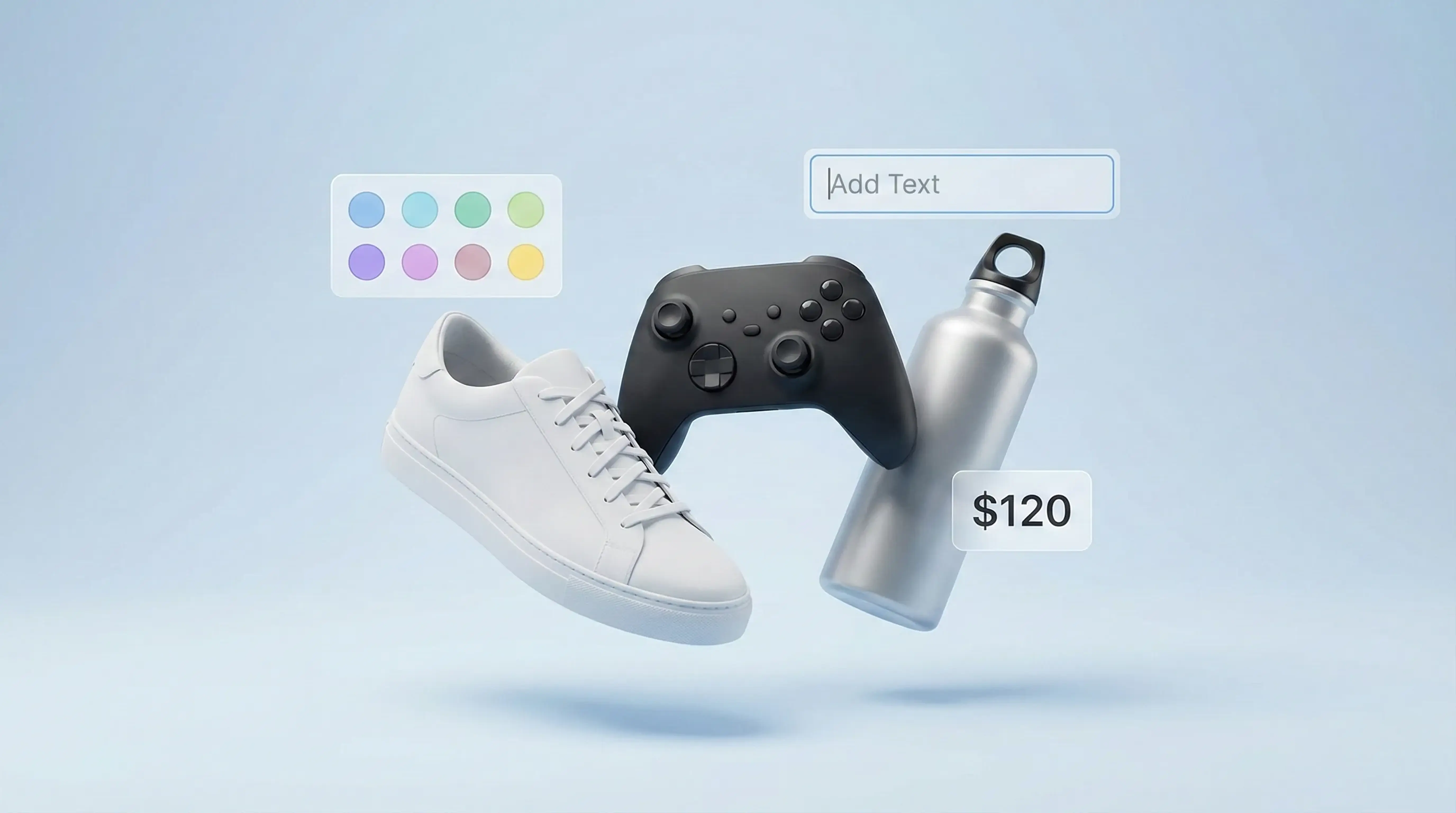
Dynamic pricing in product configurators takes this further by showing real-time pricing as customers make customization choices. When customers see exactly how their selections affect the final price, they make more informed decisions and experience fewer pricing surprises.
Experiential Commerce: The Big CRO Unlock for 2026
What Experiential Commerce Means in Practice
Experiential commerce transforms passive product browsing into active, interactive experiences. Instead of scrolling through static product photos and descriptions, customers engage with products through customization, visualization, and co-creation.
The difference is night and day. Static product pages show you what exists. Experiential product pages let you create what you want. This shift from consumption to creation fundamentally changes how customers relate to your products and brand.
Research consistently shows that increased interaction time and engagement correlate with higher conversion rates and customer lifetime value.
Why Product Personalization Is a CRO Powerhouse
Product personalization taps into powerful psychological drivers. When customers customize a product, they develop ownership before purchase. They're not just buying something that exists. They're buying something they helped create.
This emotional investment reduces price sensitivity and purchase anxiety while increasing perceived value. Industry case studies show that visual product customization can increase conversion rates by 150% or more compared to static product presentations.
Live previews and accurate pricing eliminate uncertainty. Customers see exactly what they're getting and how much it costs in real-time, which dramatically reduces post-purchase surprises and returns.
From Static PDPs to Interactive Product Pages
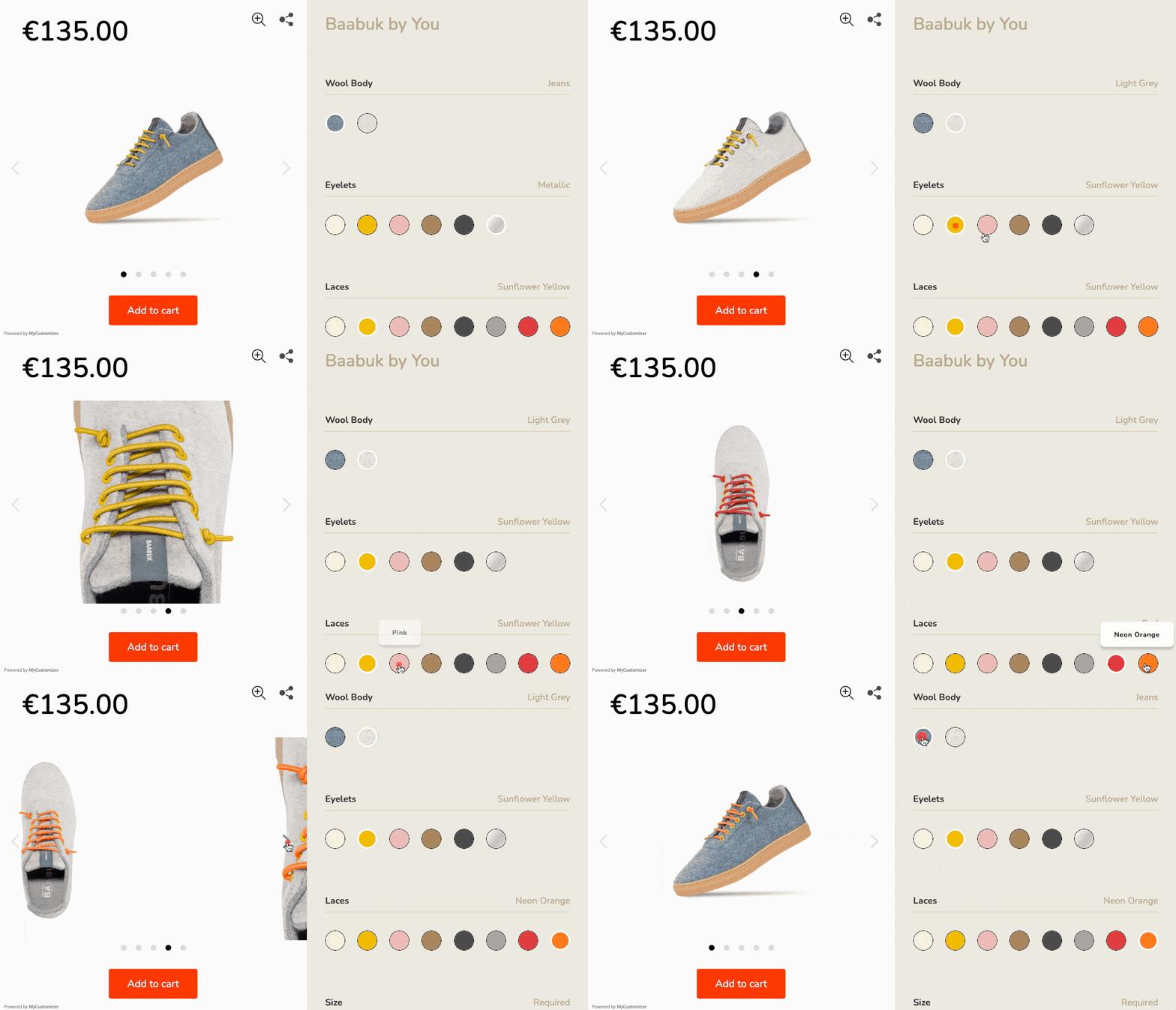
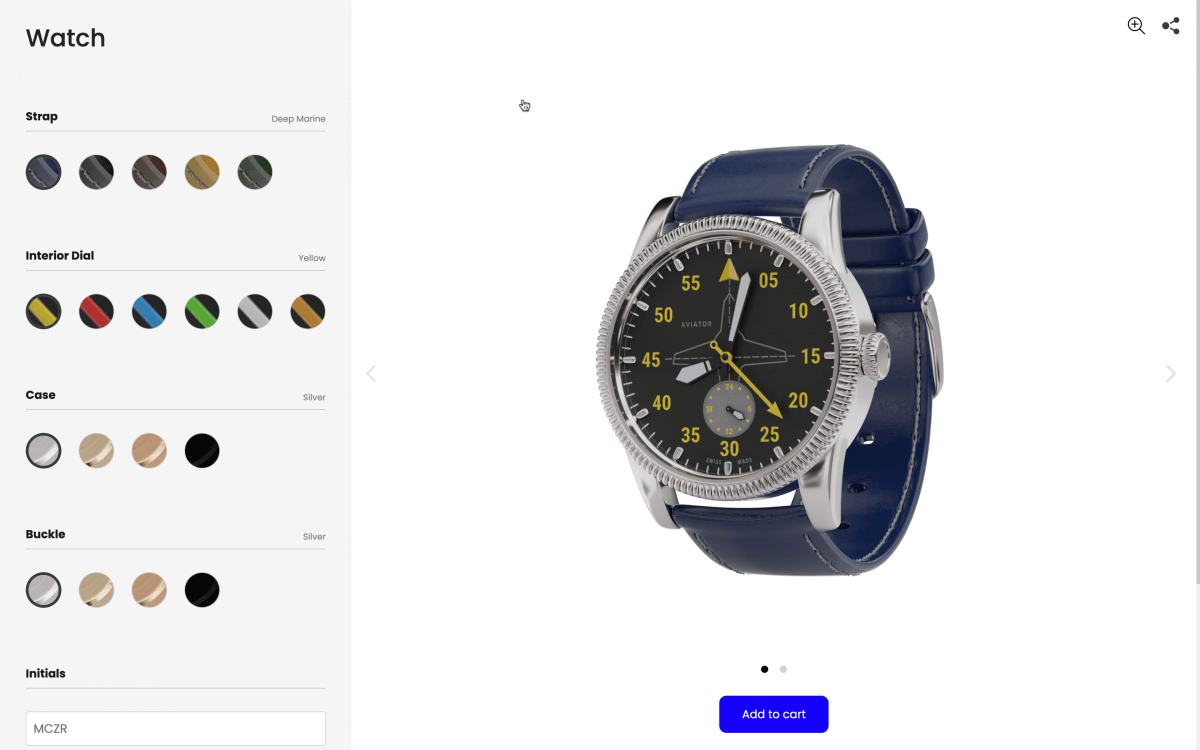
Visual product configurators transform traditional product pages into interactive experiences. Instead of guessing how different options might look, customers see live previews as they make selections.
The best configurator experiences feel like guided discovery rather than overwhelming choice. Clear steps, intuitive controls, progress indicators, and smart defaults help customers create without confusion. Adding a "Customize" entry point lets you offer personalization without cluttering the experience for customers who prefer standard options.
Visual Product Configuration as a CRO Strategy

How Configurators Work Under the Hood
Modern no-code product customizers like Kickflip eliminate the technical barriers that used to make product personalization impossibly complex. Customers can customize colors, materials, add text or logos, upload images, and see real-time visual previews while dynamic pricing updates instantly.
These tools integrate seamlessly with major ecommerce platforms including Shopify, WooCommerce, and Wix. The setup is straightforward enough that most teams can launch their first personalized product experience in days rather than months.
Conversion Benefits of Configurators
Product configurators impact multiple conversion metrics simultaneously:
Typical Improvements:
Time on Page: 3-5x increase
Add-to-Cart Rate: 40-80% increase
Conversion Rate: 150%+ increase
Average Order Value: 20-40% increase
Kickflip customers report an average conversion rate increase of up to 150% when comparing personalized product flows to their previous static presentations. This isn't just about selling more products. It's about creating more valuable customer relationships and giving them an experience.
Avoiding Choice Overload and Complexity
The biggest configurator mistake is overwhelming customers with a ton of customization options upfront. The best experiences start with smart defaults and reveal options progressively.
A "Customize" button that opens a focused modal works better than cluttering product pages with every possible option. Use clear step-by-step flows, provide preview images for different choices, and ensure the interface works seamlessly on mobile devices.
Operational Readiness Behind the Scenes
Successful product personalization requires more than great customer-facing tools. You need dynamic pricing that handles unlimited combinations, inventory validation that prevents impossible orders, and operational workflows that can efficiently produce customized products.
Kickflip handles these operational complexities automatically, bypassing rigid variant limits on platforms like Shopify while ensuring that every customized order includes the exact specifications needed for fulfillment.
3 Essential CRO Fundamentals That Still Matter in 2026
1. Frictionless Checkout and Payment Options
Checkout optimization remains one of the highest-impact CRO tactics. Single-page or accelerated checkouts, guest checkout options, and multiple payment methods can increase completed purchases by 20-40%.
Digital wallets like Apple Pay and Google Pay, plus buy-now-pay-later options, remove payment friction for different customer segments. The key is offering popular payment methods without cluttering the checkout experience.
2. Trust, Social Proof, and Transparency
Customer reviews, ratings, and user-generated content build credibility more effectively than any sales copy you could write. Social proof goes beyond star ratings. Showing real customers using your products, sharing success stories, and highlighting community engagement all contribute to conversion confidence.
Transparency about shipping costs, return policies, and product details eliminates last-minute surprises that cause cart abandonment. Make this information easily accessible before customers reach checkout.
3. Product Presentation and Mobile UX
High-resolution images, 360-degree views, and product videos reduce uncertainty and returns. When customers can thoroughly examine products before buying, they make more confident purchase decisions.
Mobile optimization goes beyond responsive design. Thumb-friendly navigation, clearly visible call-to-action buttons, fast loading times, and legible fonts on small screens are non-negotiable for mobile conversion success.
Data-Driven Optimization: Turning Insights Into Revenue
Prioritize High-Impact Pages and Journeys
Not all pages deserve equal optimization attention. Focus on your highest-traffic, highest-value touchpoints first: product pages, checkout flow, homepage, and category pages.
Use analytics to identify bottlenecks. High bounce rates might indicate relevance problems. Exit rate spikes show where customers lose interest. Funnel analysis reveals exactly where potential customers drop off.
Use Qualitative and Quantitative Research Together
Numbers tell you what's happening, but qualitative research tells you why. Heatmaps show where customers click and scroll. Session recordings reveal how people actually navigate your site. Exit intent surveys capture feedback from customers who are about to leave.
This qualitative context transforms raw data into actionable insights. Instead of guessing why customers abandon their carts, you can see exactly where they get confused or frustrated.
Building a Continuous Testing Roadmap
CRO isn't a one-time project. It's an ongoing process of testing, learning, and improving. Establish a regular experimentation schedule and document what you learn from each test.
Connect your testing to larger strategic initiatives. If you're planning to add product personalization, test different implementation approaches. If you're expanding product lines, test how to present new categories effectively.
How to Implement Experiential Personalization Step by Step
1. Audit Your Current Experience
Before adding new features, honestly assess what you have now:
How do your product pages look and function?
What personalization already exists?
Where do customers experience friction?
How does your mobile experience compare to desktop?
What feedback do customers give about your shopping experience?
Identify the biggest gaps between what customers expect and what you currently deliver.
2. Choose the Right Tools and Integrations
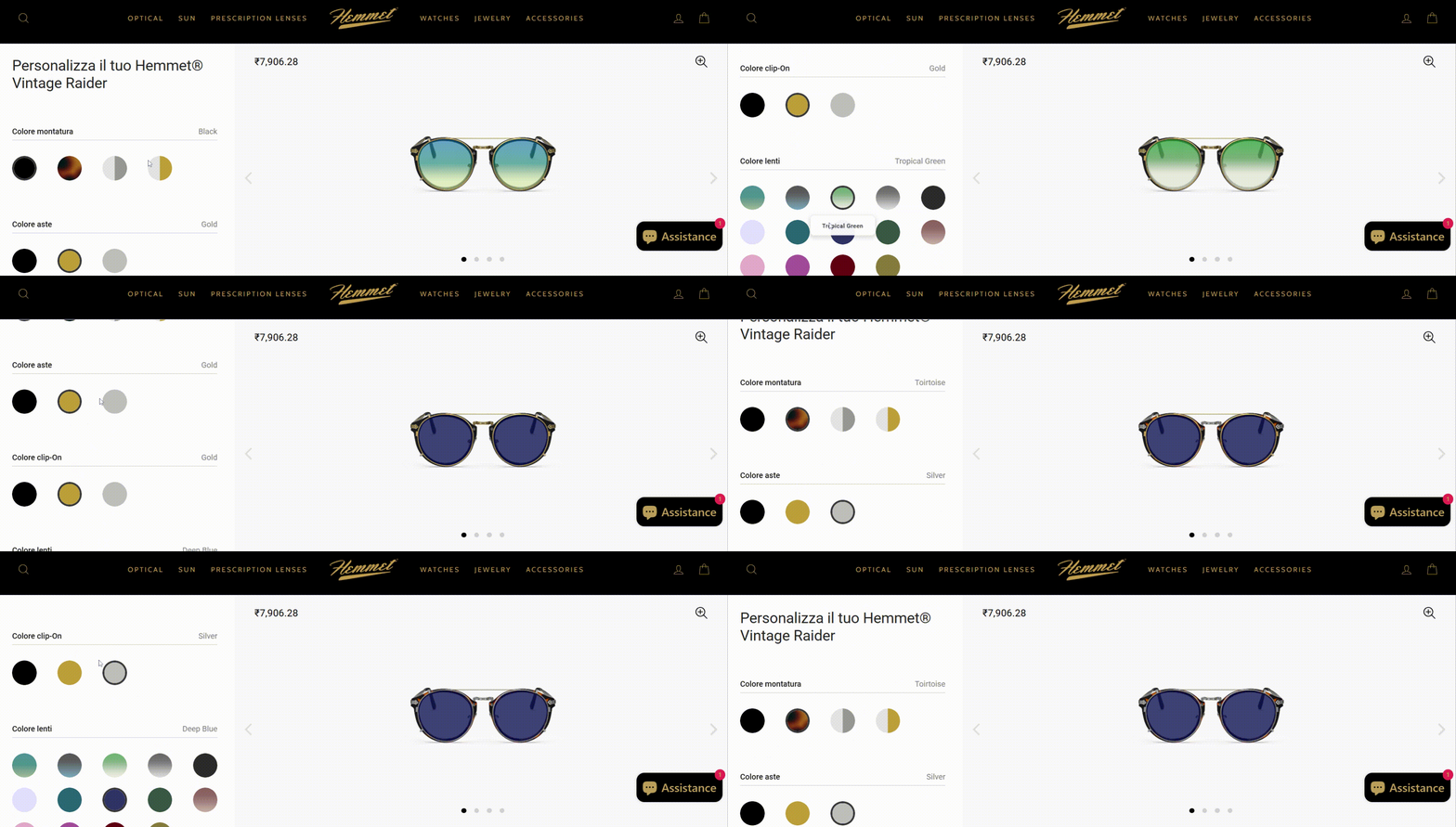
When evaluating visual product configurators, prioritize:
No-code implementation that doesn't require developer resources
Live preview capabilities for real-time visualization
Dynamic pricing that updates automatically
Seamless integration with your existing ecommerce platform
Performance optimization to maintain fast loading times
Kickflip meets all these criteria while offering the flexibility to customize the experience for your specific products and brand.
3. Design, Launch, and Test Your First Personalized Flow
Start with a pilot project focused on one hero product or category where personalization adds clear value. Track key metrics including:
Product page views and engagement
Configurator usage and completion rates
Add-to-cart and conversion rates
Average order value changes
Customer feedback and satisfaction
Run controlled tests comparing static product presentations with configurator experiences to measure the actual impact on your business.
Transform Your Store Into a Conversion Powerhouse with Kickflip
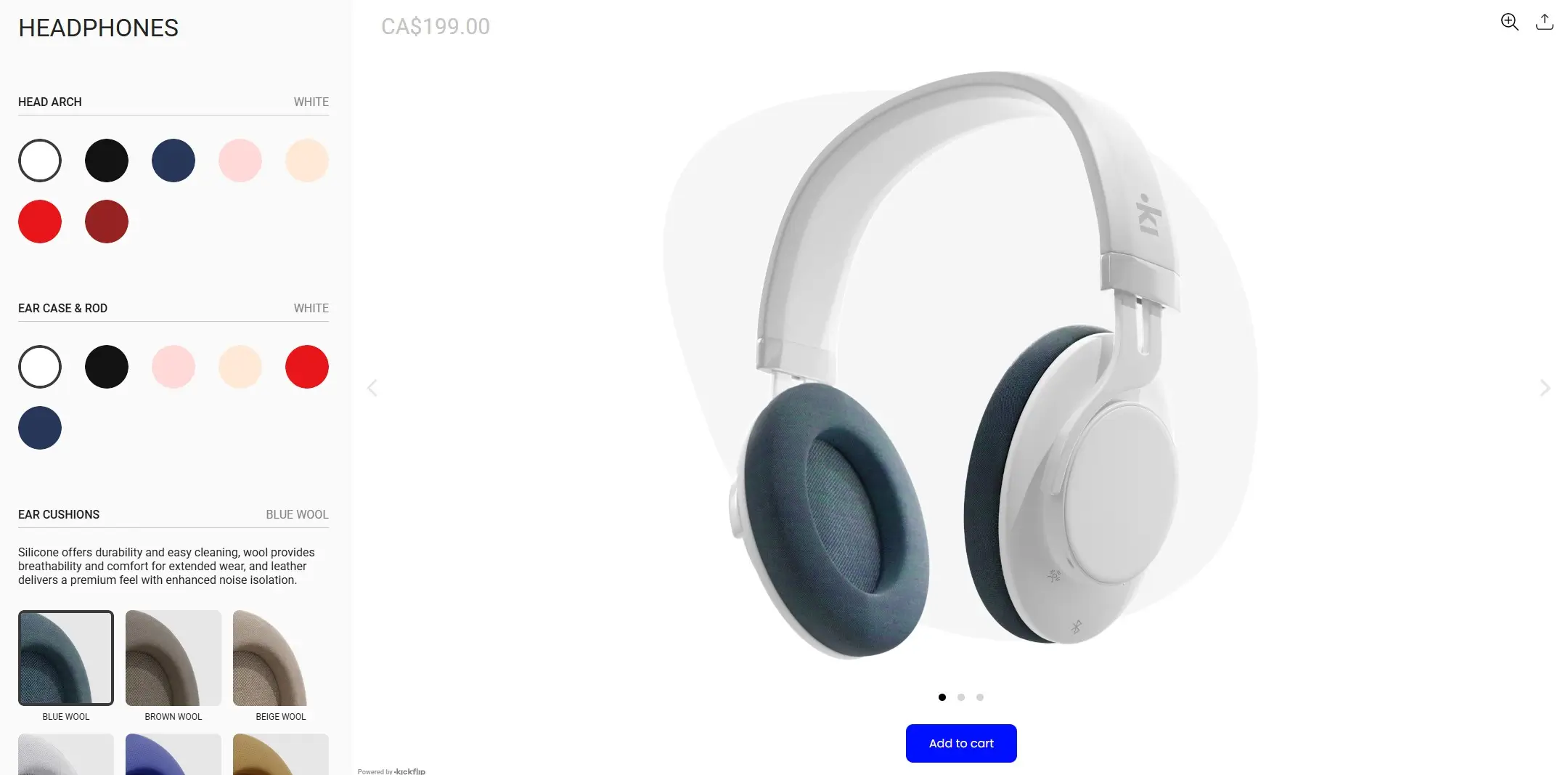 Kickflip serves as the bridge between traditional ecommerce and experiential commerce. As a no-code visual product customizer that integrates with Shopify, WooCommerce, and Wix, Kickflip transforms static product pages into interactive experiences where customers can truly engage with your products.
This directly addresses the core CRO principles we've discussed: increasing relevance through personalization, building confidence through visualization, reducing friction with intuitive interfaces, and creating emotional ownership through co-creation.
Ready to turn your product pages into conversion-driving experiences? Kickflip's ecommerce growth solutions make it simple to implement visual product personalization that your customers will love and your business will benefit from.
Frequently Asked Questions
What is ecommerce conversion optimization and how does it work?
Ecommerce conversion optimization (CRO) is the systematic process of increasing the percentage of website visitors who complete desired actions, such as making purchases, signing up for newsletters, or creating accounts. It works by identifying barriers in the customer journey, testing improvements, and implementing changes that reduce friction and increase customer confidence.
What is a good ecommerce conversion rate in 2026?
The global average ecommerce conversion rate is approximately 1.65%, but this varies significantly by industry and business model. Fashion and beauty often achieve 2-3%, while electronics typically see lower rates around 1-1.5%. Businesses using experiential commerce and personalization strategies regularly achieve conversion rates of 3-5% or higher.
Which strategies improve ecommerce conversion rates the fastest?
The fastest improvements typically come from removing obvious friction points: streamlining checkout processes, improving mobile user experience, adding popular payment methods, and displaying clear trust signals. However, the biggest long-term gains come from experiential commerce strategies like product personalization and interactive configuration.
How does product personalization impact ecommerce conversion optimization?
Product personalization can increase conversion rates by 150% or more compared to static product presentations. When customers can customize products and see live previews, they develop emotional ownership before purchase, reduce uncertainty about their buying decision, and perceive higher value in the final product.
Do I need a product configurator like Kickflip to see significant conversion gains?
Product configurators work best when personalization adds meaningful value to your products and customer experience. If you sell customizable items like apparel, promotional products, sports equipment, or other personalized goods, a configurator can dramatically improve conversions. For standardized products, focus on other CRO strategies like checkout optimization and trust building
Future reading
Best Ecommerce Tools for 2026: The Essential Stack For Growth
Benefits of Personalization in eCommerce + 7 Examples in All Stages
12 Data-Driven Ways to Improve Ecommerce Customer Experience
Share This article

Written by Marie Lamonde
March 2nd, 2026
Marie Lamonde is a Content Marketing Manager at Kickflip with 8 years of experience writing about digital marketing, SaaS, and ecommerce. She specializes in creating clear, search-driven content that attracts, engages, and converts.


Maarten Luyckx
Osaka World
The user-friendly interface of Kickflip, combined with excellent customer service, ensured that this project was brought to a successful and beautiful conclusion.
Shopify App Store
May 20, 2021

Marie-Laetitia Rossazza
My Dust Bag
It took me a long time to find the perfect customizer app, and I’m so happy to say that I finally did! Kickflip is truly the best app on the market. The front end and back end are excellent, and the team behind it is incredibly kind and helpful!
Shopify App Store
September 1, 2023

Brad Jurga
All-Star Sporting Goods
Kickflip made everything easy, from designing the builder all the way through launch. We’re designing truly custom equipment for elite baseball players and this platform allows us to have better engagement and excitement around our brand. We’re seeing an instant return.
Shopify App Store
June 16, 2025

Kasper Taylor
CodedInk
My experience with both the product and the support team has been fantastic. The user interface and user experience are excellent. The features are powerful, and the WooCommerce integration is seamless and easy to set up.
G2.com
June 16, 2025

Saber Naceur
Vinylacy
By far, and I truly mean it, the best customizer available on Shopify. It’s easy to understand and manage, offers options for all types of products, and works extremely well. On top of that, it looks beautiful and feels premium. Highly recommended.
Shopify App Store
December 17, 2022

Jesus Guillermo de León Pérez
Dismo
Kickflip is a fantastic tool. It’s super intuitive, easy to use, and packed with capabilities. You don’t have to be an expert or have experience with other products to get started. The support team is also great and very responsive.
Shopify App Store
July 10, 2024

Frieder Urban
Era of Arc
We were looking for an uncomplicated configurator that was quick and easy to set up, offered plenty of design options, and worked reliably with fast loading times. We tested many configurators on the market, and with Kickflip, we found exactly what we needed.
Shopify App Store
October 10, 2024

John Taggart
Jack Harry and Ollie
What a great addition to our business Kickflip has been. It’s been fantastic to offer our customers the ability to personalize their orders. The support has been excellent, and we especially love that the pricing is tied to our success as customers make purchases.
Shopify App Store
May 7, 2021

TJ Garske
The Net Return
Kickflip saves our team a ton of time by eliminating the need to create custom mockups for customers. Customers can build their product themselves and place an order instantly, without any back-and-forth.
G2.com
January 26, 2026

Amin Hasani
CURVD
After extensive research into product customizer tools, we chose Kickflip for many reasons. We don’t like complicating simple tasks for customers, and Kickflip helped us simplify the process and create a seamless customer experience.
Shopify App Store
July 29, 2025